EXOLINE® OIL STOP Study

EXOLINE OIL STOP

Technology Based Oil Adsorption System

Environmentally Friendly Oil Spill Treatment Technology


Exoline® Oil Stop is an advanced adsorbent system based on ExoBase™ technology, developed for the rapid absorption and stabilization of oil and hydrocarbon contaminants. The primary objective of the system is the immediate immobilization of spilled oil, preventing its spread and reducing secondary environmental risks.

Oil spill cleanup process demonstration

Introduction

Exoline® Oil Stop immobilizes contamination into a non-flowing, stable state within 1 - 2 minutes, thereby preventing re-release, infiltration, and the evaporation of volatile fractions. Its hydrophobic structure selectively binds oil, while allowing the natural flow of gases and water vapor in the surrounding environment.


The technology does not rely on aggressive chemical degradation. Instead, Oil Stop creates a stable microenvironment that supports natural oxidative and biological degradation processes, without generating toxic by-products.


Exoline® Oil Stop is fully effective as a standalone solution, while also functioning as a system: it significantly enhances the performance of commonly used absorbent materials particularly perlite, zeolite, vermiculite, and polypropylene (PP)-based absorbents.


As a result of this performance enhancement, water uptake is reduced, oil-binding stability is increased, the risk of re-release is minimized, and the overall volume of generated waste is significantly reduced.


Oil-saturated Exoline® Oil Stop can be briquetted and is suitable for energy recovery. Stable binding ensures that the material does not release oil during transportation or storage, allowing it to be processed safely. Due to the high energy content of the briquetted form, it can be utilized as an alternative fuel in industrial incineration facilities or cement plants, significantly reducing waste management costs.


This approach delivers not only environmental benefits, but also actively supports the circular economy by enabling oil-contaminated waste to be securely managed and partially transformed into a recoverable energy resource, while minimizing secondary environmental impact.


The system’s key advantages are rapid control, stable binding, and environmental safety, enabling subsequent treatment or removal steps to be carried out under controlled and secure conditions.

95%
Adsorption Efficiency
1 - 2 min
Rapid Adsorption
60 - 180 days
Degradation Period

Physical and chemical characteristics

Physical State A fine-grained powder with a positively charged surface, easy to dose and handle, and capable of uniform dispersion in industrial and environmental applications. This allows rapid and controlled deployment in a wide range of intervention scenarios.

Particle Size 4 µm - the optimized particle size ensures uniform dispersion in both liquid and solid media, enabling effective contact with surface oil layers, sediments, and porous substrates, while providing long-term functional stability.

Color White.

pH Value 11.5-12.5 (in aqueous suspension) the alkaline character provides excellent chemical stability, corrosion resistance, and a favorable reaction environment even under extreme industrial and environmental conditions.

Bulk Density ≈ 0.65 kg/dm³ low bulk-density material with a high active surface area, enabling effective performance with relatively small material quantities. The low density improves dispersion within cementitious, mineral matrices, enhances pore filling efficiency micro-scale, contributes to optimized material consumption without compromising functional performance.

Specific Surface Area (BET) Up to 26 m²/g - a large reactive and adsorptive surface that promotes rapid hydrocarbon binding and stabilization processes.

Hydrophobic Properties Strongly water-repellent prevents liquid water from penetrating the material structure, resists wet environments and hydrostatic pressure, and provides a stable environment for the immobilization of bound contaminants.

Gas Permeability Allows controlled diffusion of gaseous substances—particularly oxygen and water vapor—through the material structure, supporting surface drying and maintaining oxidative and biological degradation processes.

Thermal Resistance Stable up to 370 °C; ignition temperature 700 - 800 °C its fire-resistant properties enable safe use in emergency response operations under high thermal loads, such as flammable oil spill scenarios.

Composition A system composed of 100% natural mineral and organic raw materials, VOC-free, offering an environmentally friendly and human-health-safe solution for emergency and disaster response operations.

EXOLINE OIL STOP

How does the EXOLINE® system work?

A smart and fast-acting solution for oil spill cleanup and prevention


The Exoline® system works by rapidly binding oil on contact, transforming it into a stable, non-spreading, paste-like form. Its hydrophobic and oleophobic properties prevent further dispersion in water, while its high-temperature resistance and chemical stability ensure effectiveness even in extreme conditions. Unlike conventional methods, Exoline® acts across all layers surface, water column, and sediment stopping the spill before it spreads and enabling safe, efficient removal. Fast. Controlled. Environmentally secure.

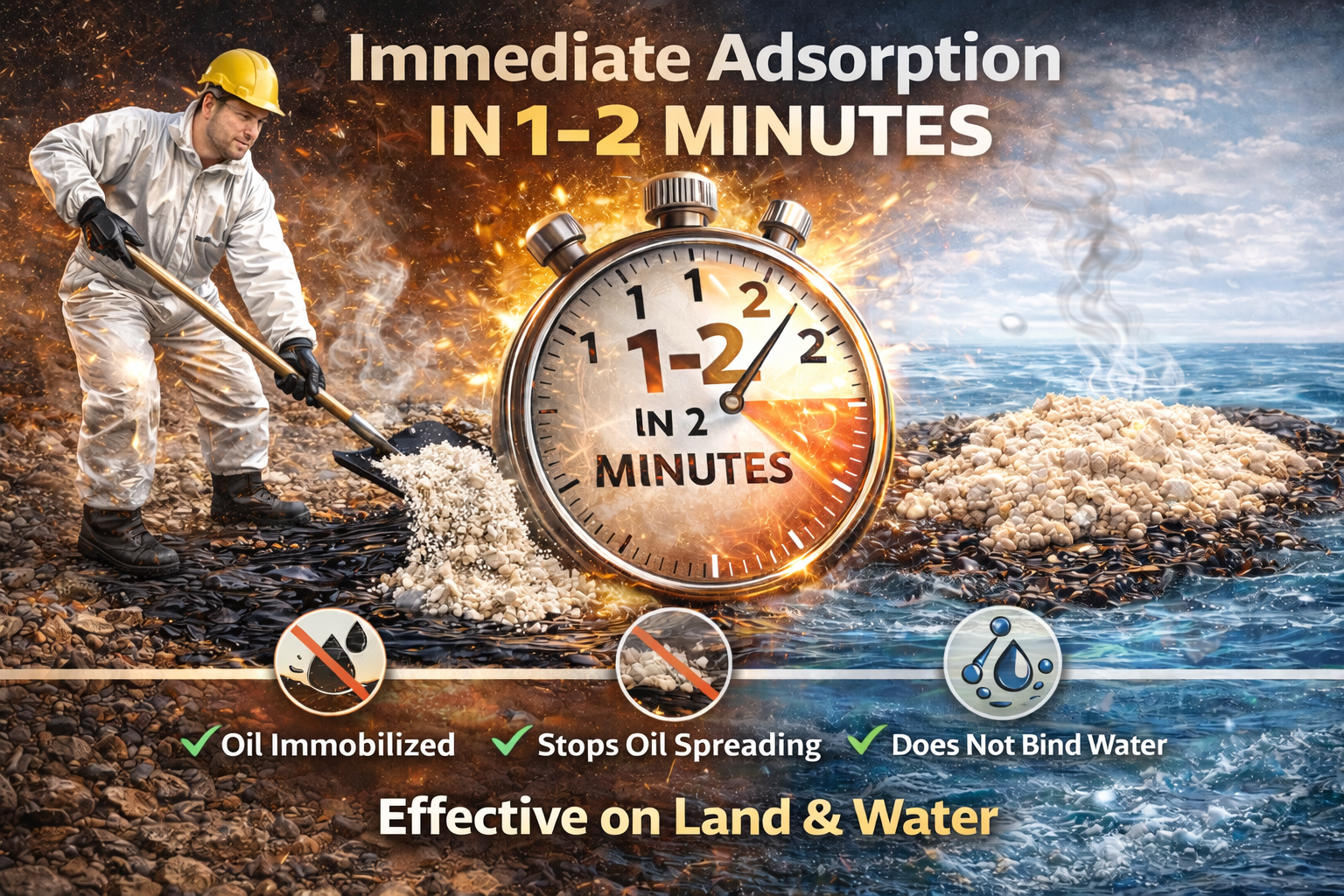
Immediate Binding (Adsorption)

Upon contact with spilled oil, Exoline® Oil Stop forms a rapid, surface-driven adsorption bond within 1 - 2 minutes. Thanks to its hydrophobic surface properties, the material selectively interacts with the oil phase while remaining non-reactive with water. As a result: The oil loses its fluidity Spreading is immediately halted The adsorbent remains non-water saturated, even in wet environments This step ensures immediate physical control of contamination in both terrestrial, aquatic environments, creating stable conditions for safe containment, subsequent treatment, and environmentally controlled recovery operations. It prevents uncontrolled spreading, recontamination, and secondary pollution while maintaining a manageable and predictable state of the affected area. This significantly improves operational safety, accelerates response efficiency, and reduces long-term environmental and remediation costs.

Immediate Binding (Adsorption)
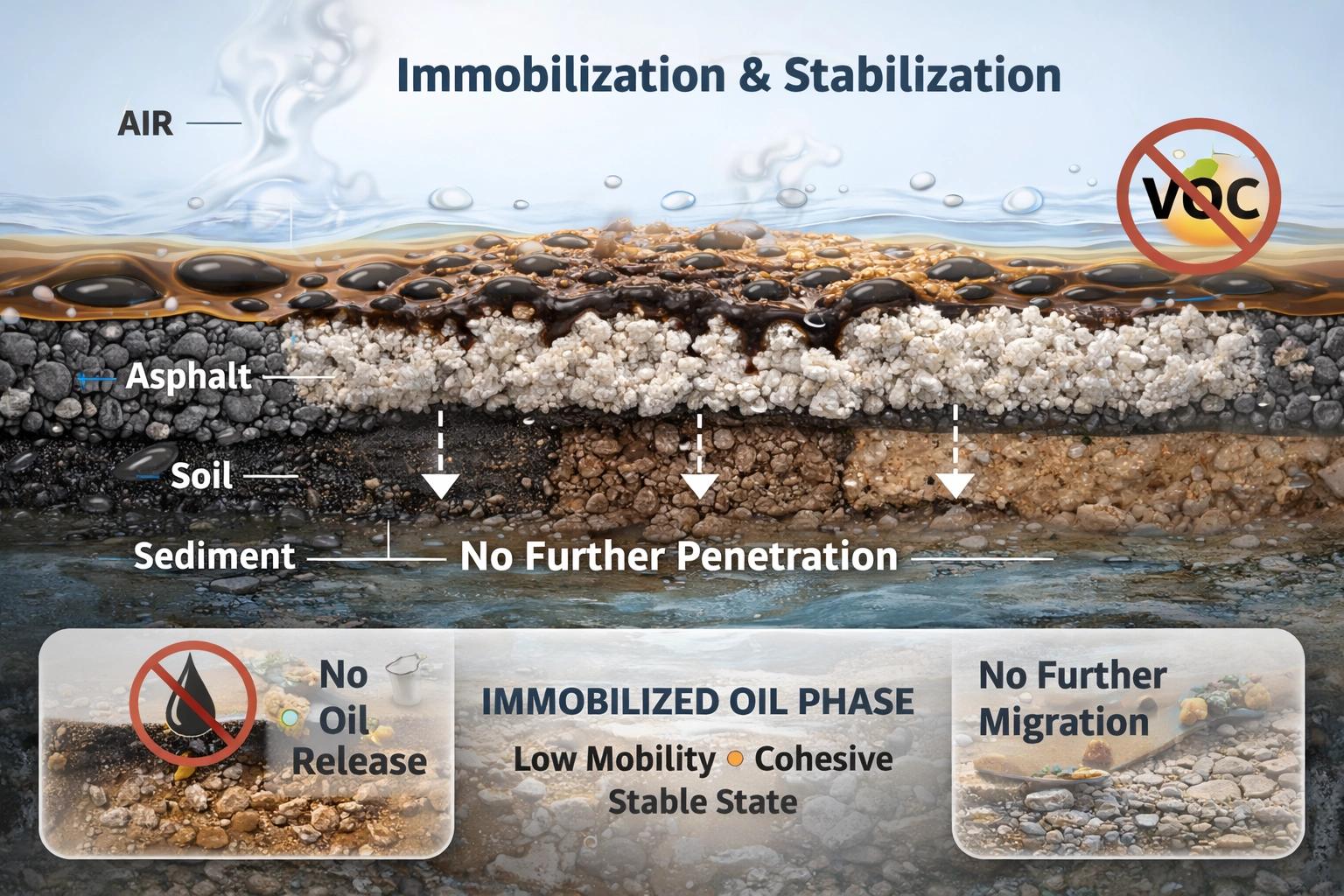
Immobilization and Stabilization

Immobilization and Stabilization

Following adsorption, the bound oil transitions into a low-mobility, cohesive, paste-like state. In this immobilized phase, the hydrocarbon is fixed through adsorption bonding and does not regain mobility. The resulting stable state: Prevents the release of the bound oil Inhibits further penetration into soil, pavements, sediments, or structural materials Significantly reduces the emission of volatile fractions (VOCs) This stabilization is critical for achieving rapid situation control during industrial, transportation-related, and emergency response incidents, as it enables immediate containment of contamination, minimizes secondary environmental damage, and provides a safer working environment for response teams. It allows response operations to shift quickly from emergency mitigation to structured recovery and remediation phases. As a result, decision-makers can act with greater confidence while reducing time pressure, exposure risks, and overall incident impact.

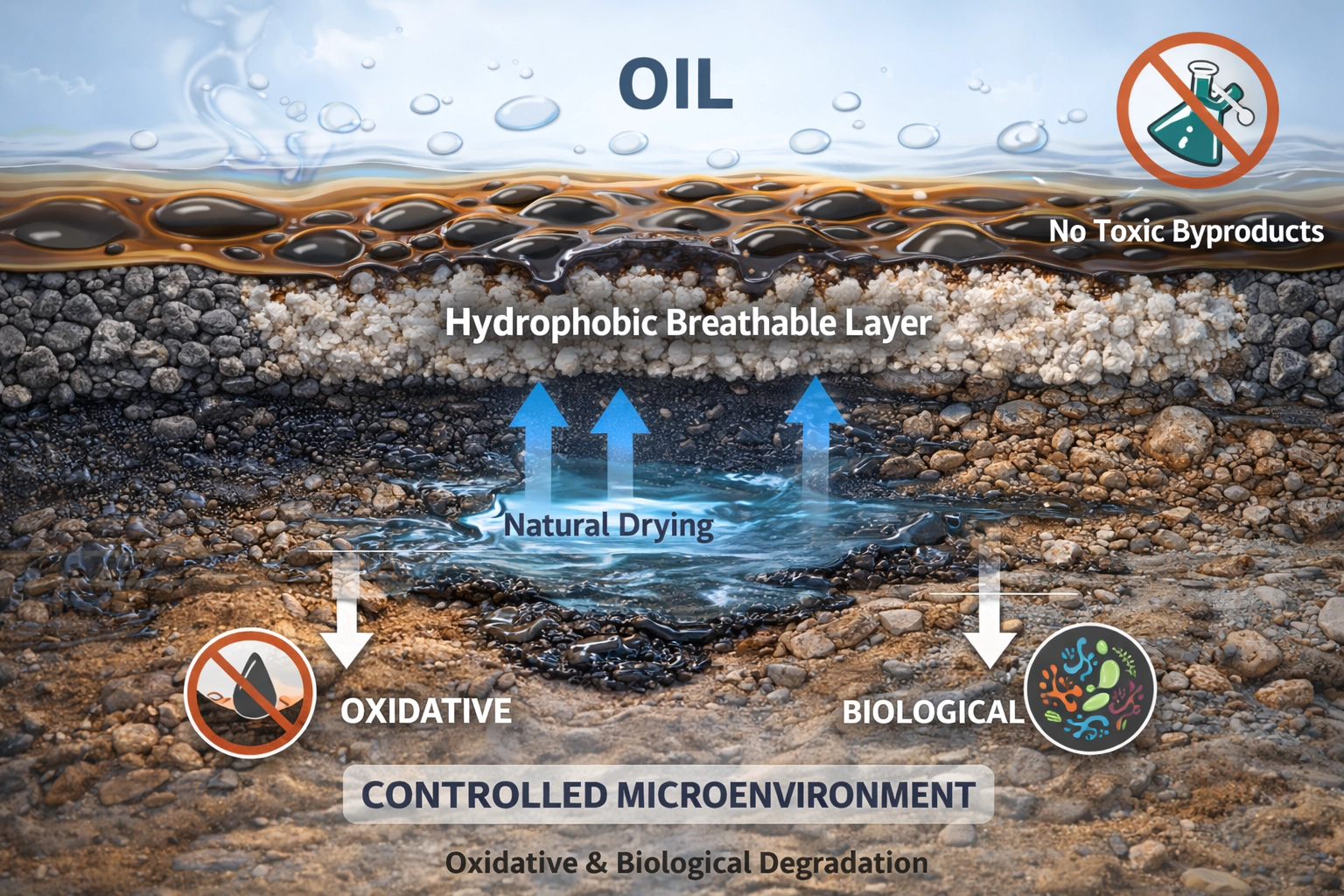
Formation of a Controlled Microenvironment

Exoline® Oil Stop does not hermetically seal the contaminated surface; instead, it preserves the functional interaction between the material and its environment, which is essential for controlled moisture exchange and long-term remediation efficiency. Its hydrophobic yet vapor-permeable structure allows: Controlled diffusion of oxygen and water vapor Natural drying of the surface The continuation of oxidative and biological degradation processes The material does not initiate aggressive chemical breakdown; instead, it creates a stable, controlled microenvironment that supports natural degradation mechanisms without the formation of toxic by-products. This approach preserves the integrity of the surrounding materials and ecosystems while allowing remediation processes to proceed in a predictable and controlled manner. Consequently, long-term environmental impact is minimized, and regulatory and safety requirements are more easily met.

Formation of a Controlled Microenvironment
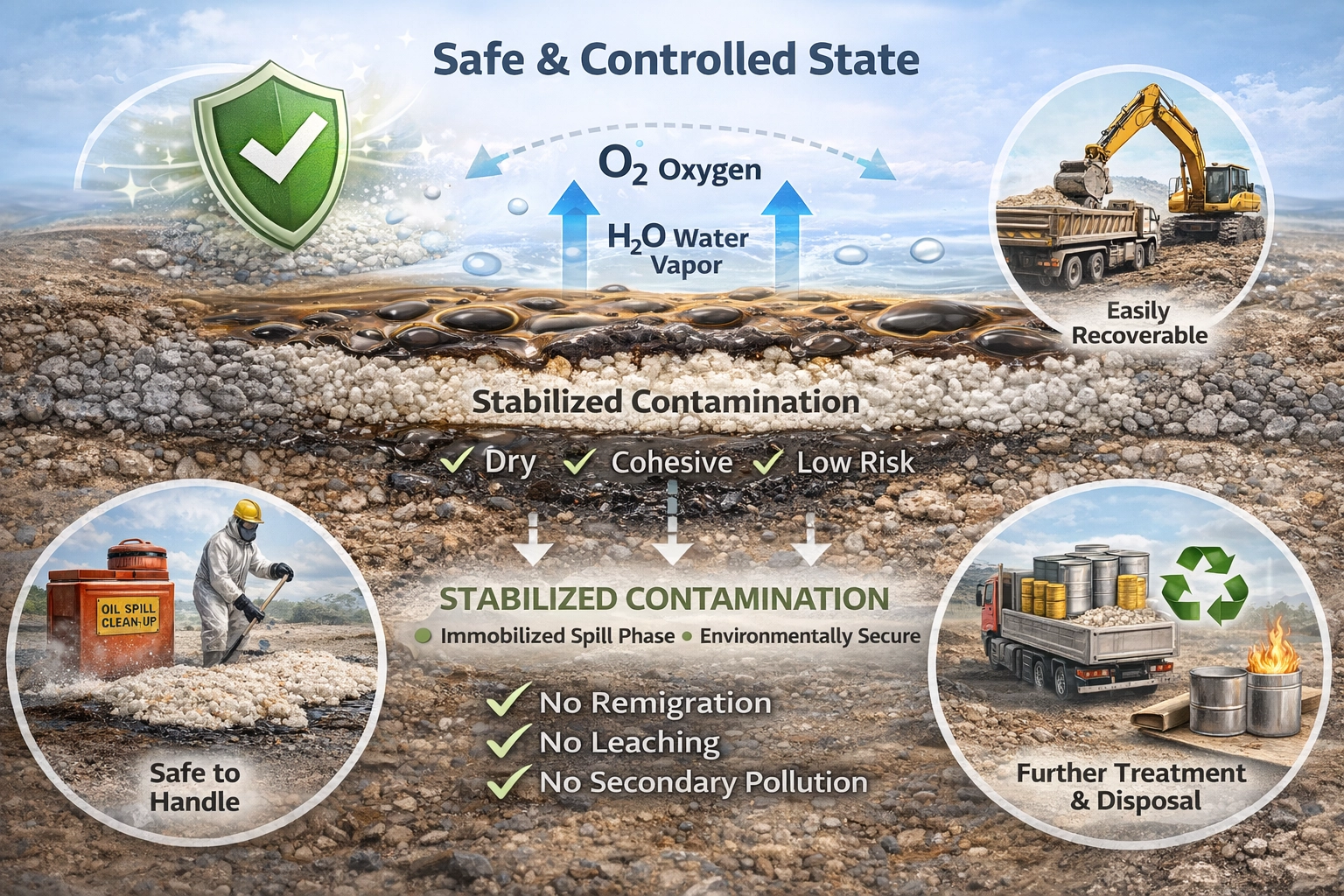
Environmentally Safe State and Controlled Conditions

Environmentally Safe State and Controlled Conditions

As a result of the adsorption and immobilization processes, the contamination is brought into an environmentally safe state. In this state, the bound oil: Does not re-dissolve in water Does not leach into soil or sediment Does not become a secondary source of contamination The stabilized contamination is therefore: Safe to handle Mechanically removable Suitable for further treatment, collection, transport, and disposal processes This operational logic is what differentiates Exoline® Oil Stop from conventional absorbents elevates it to a complex technological system rather than simple oil absorbing material.

EXOLINE OIL STOP

Why is EXOLINE® Oil Stop a system?

More than a product a complete spill response solution


Exoline® Oil Stop is not just an absorbent, it is an integrated response system designed to stabilize, localize, and minimize the environmental impact of oil spills across all phases: surface, water column, and sediment. Unlike traditional products that only treat the visible layer, Exoline® operates on a systems level, combining chemical immobilization, hydrophobic binding, and controlled biodegradation environments. It enhances operational efficiency, reduces waste, and supports long-term environmental recovery making it a strategic solution, not just a tool.

Oil spill treatment technology in action

Why is exoline® oil stop a system?

Exoline® Oil Stop is not a conventional oil-absorbing material, but a complex technological system that addresses the entire lifecycle of contamination - from the moment of the spill to safe and controlled further handling. Most absorbents only soak up oil and then temporarily store it in an unstable carrier, which often becomes saturated with water. In contrast, Exoline® Oil Stop operates as a system with a functional sequence, where each step creates the conditions for the next, ensuring controlled, safe, and efficient progression throughout the remediation process.
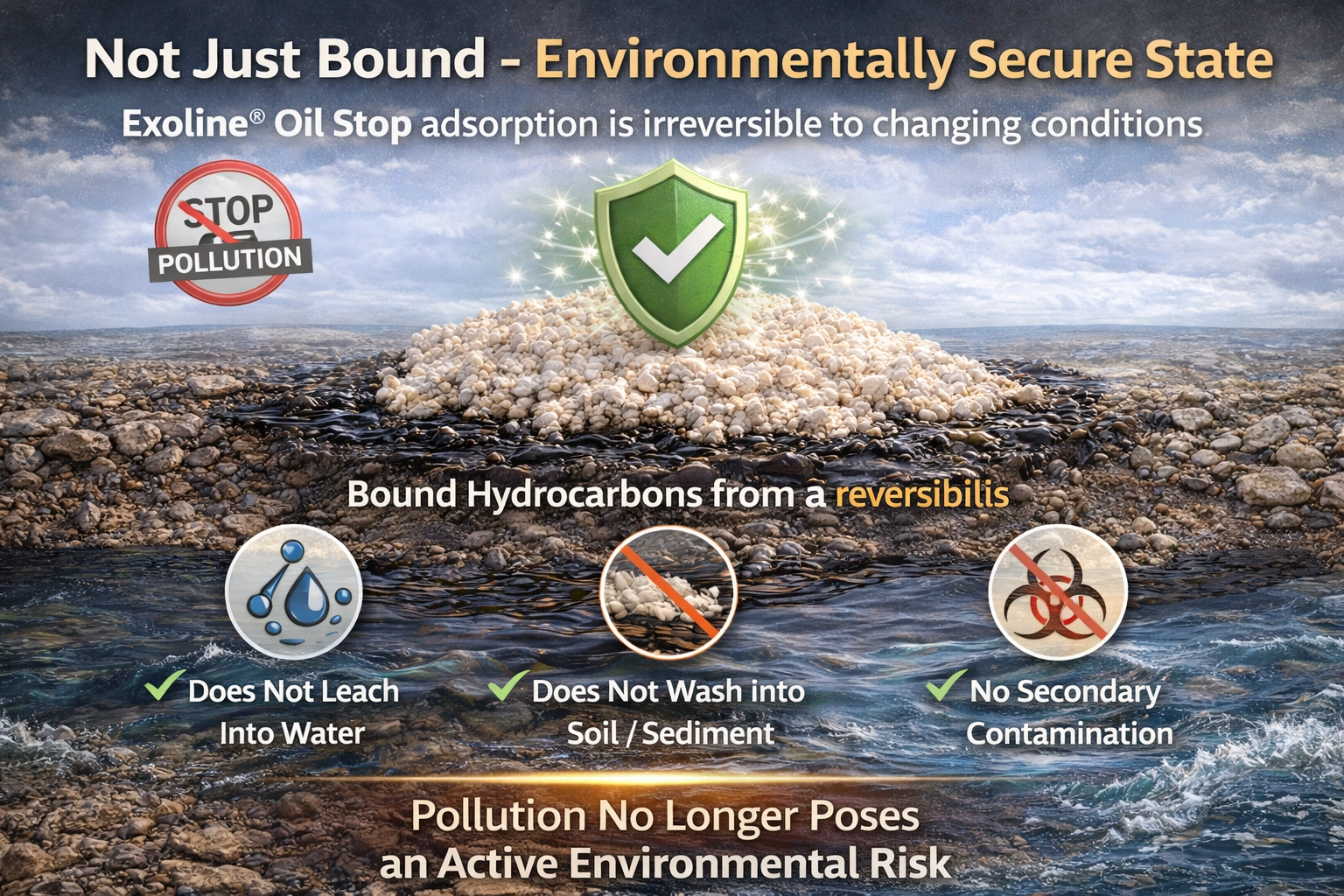
It doesn’t just bind!

The adsorption bond of Exoline® Oil Stop is not reversible under changing environmental conditions. Once hydrocarbons are bound, they remain chemically and physically immobilized within the material. Temperature changes, water presence, or mechanical stress do not trigger their release back into the environment. The bound hydrocarbons: Do not dissolve back into water Are not washed out of soil or sediment Do not become a secondary source of contamination This means that the contamination ceases to be an active environmental risk, even before physical removal takes place. As a result, the spread of pollution is effectively halted at the source. There is no ongoing leaching, migration, or recontamination of the surrounding environment. This provides critical time for safe decision-making, transport, or further treatment without escalating environmental or regulatory risk.

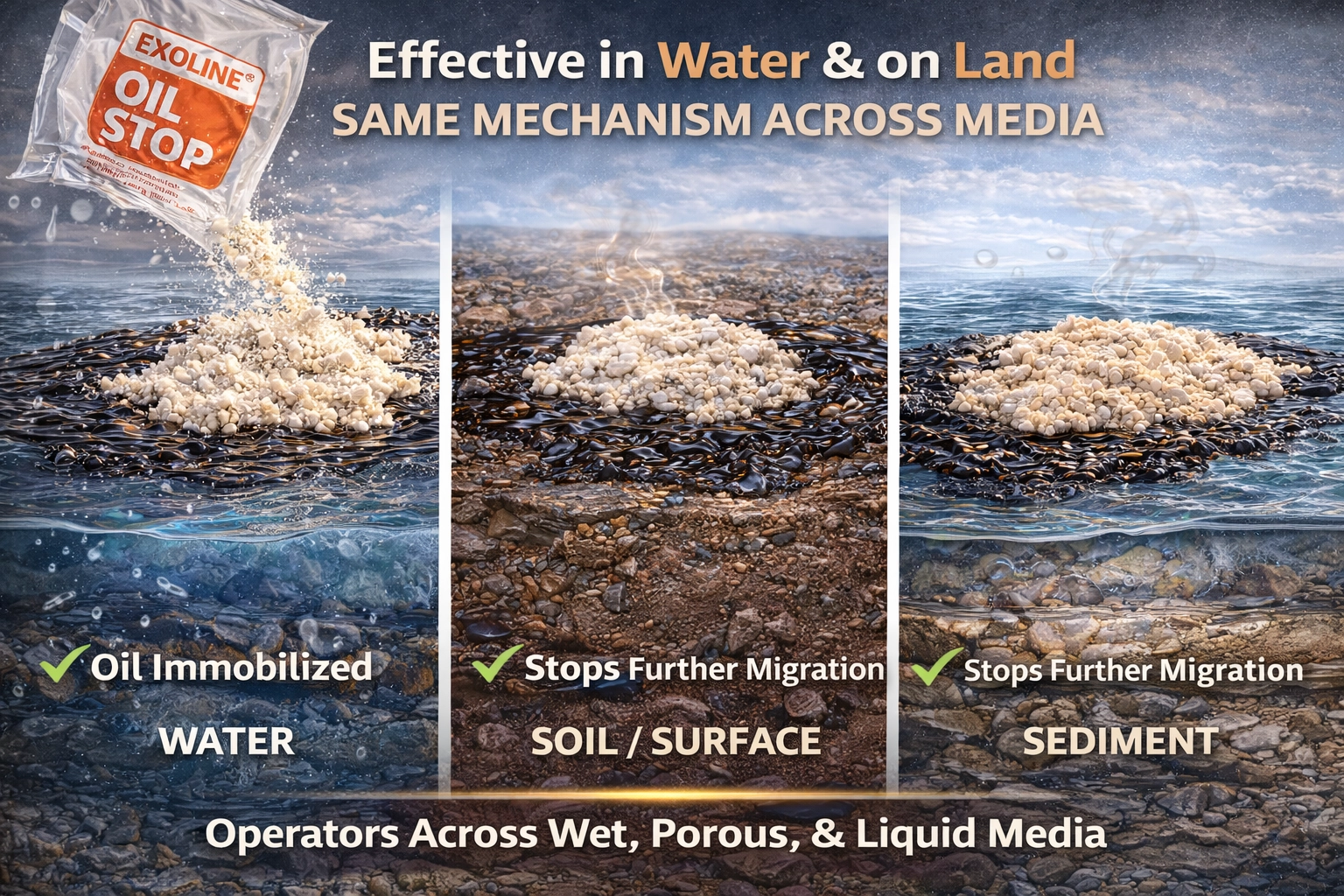
It operates on the same principle across all environments.

Exoline® Oil Stop maintains consistent performance regardless of the environment in which it is applied. Its adsorption-based mechanism reliably immobilizes hydrocarbons in water, soil, sediment, and on solid surfaces. This consistency allows it to function as a unified, system-level solution rather than a context-specific absorbent. The operating principle of Exoline® Oil Stop is not medium-dependent: On water surfaces, oil is immobilized through adsorption In soil and on paved surfaces, infiltration is stopped In sediment, mobility is eliminated In all cases, the system prevents further oil migration, regardless of whether it comes into contact with a liquid, porous, or wet medium. This ensures predictable performance under real-world conditions where multiple media may be present simultaneously. As a result, Exoline® Oil Stop can be applied as a unified solution without the need specific adaptations.

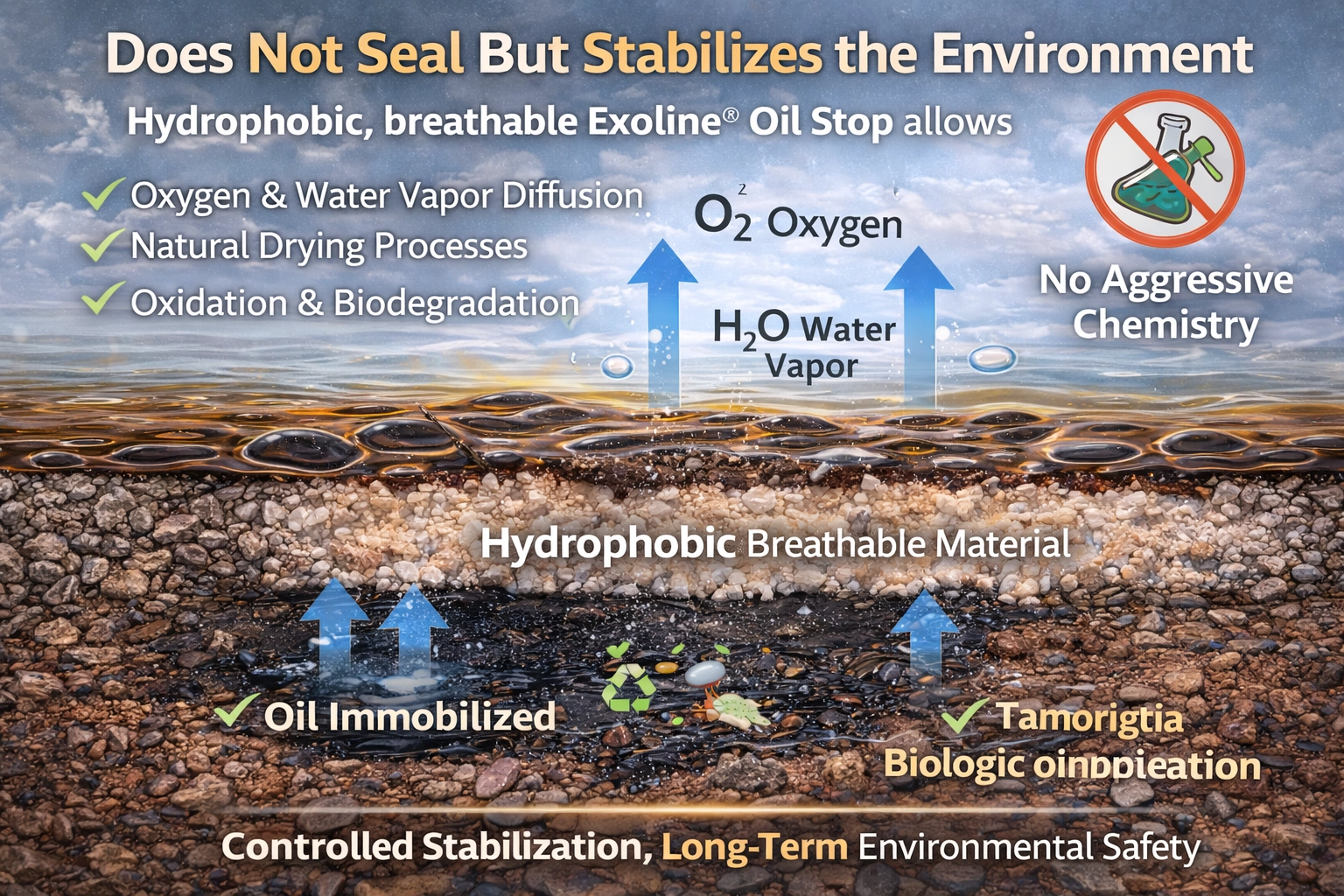
It stabilizes the environment.

The hydrophobic yet breathable structure of Exoline® Oil Stop does not hermetically seal the surface. This is a key distinction compared to conventional solutions. The system: Allows the diffusion of oxygen and water vapor Supports natural drying processes Maintains the conditions required for oxidative and biological degradation This is not an aggressive chemical treatment, but a form of controlled stabilization that remains environmentally safe in the long term. By preserving gas exchange, the treated area remains environmentally active rather than chemically isolated. This prevents the creation of anaerobic conditions that could slow degradation or generate secondary environmental risks. As a result, Exoline® Oil Stop integrates into natural remediation processes instead of disrupting them.

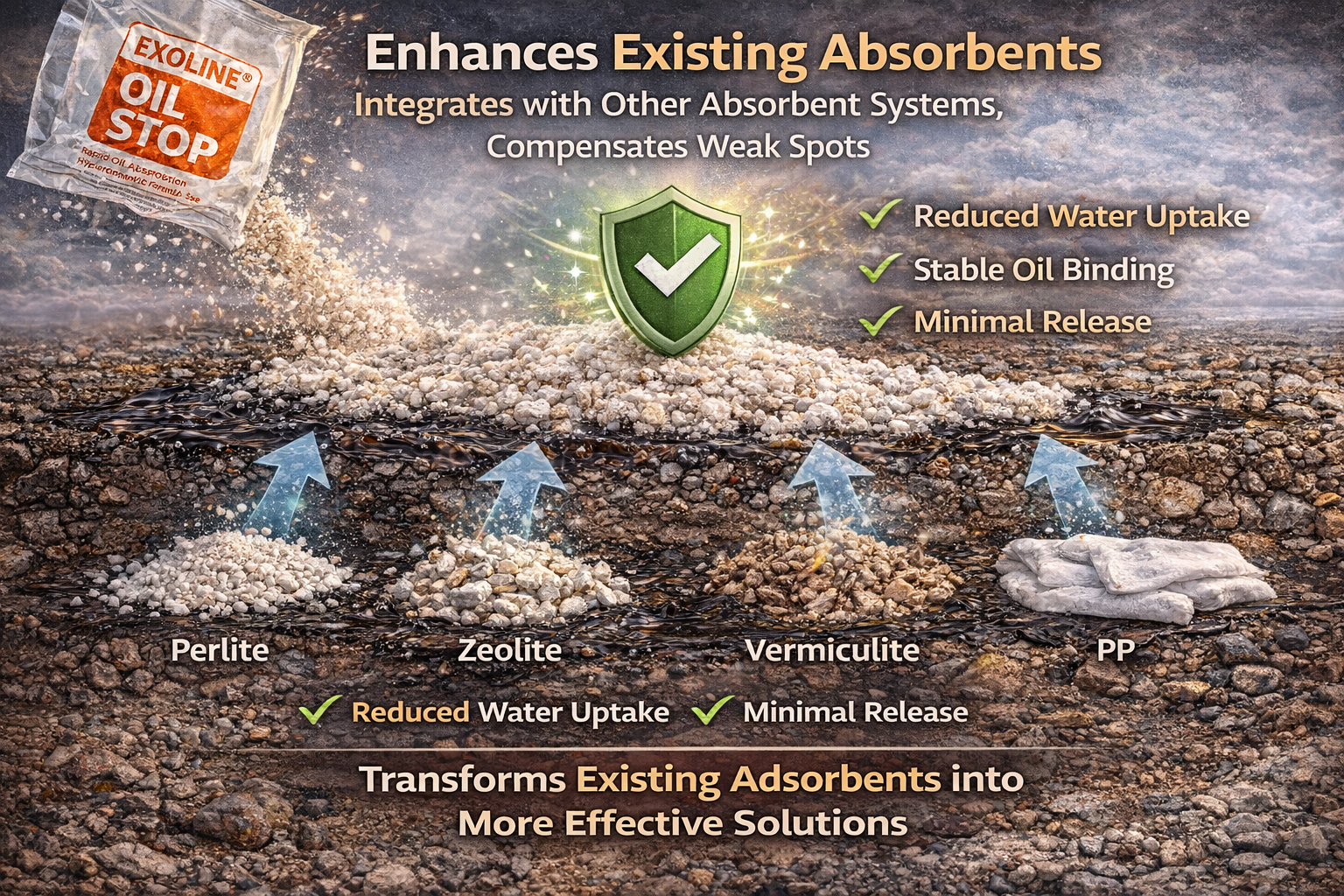
It enhances existing absorbents.

Exoline® Oil Stop can be used as a standalone solution, but it can also be integrated into other absorbent systems, where it compensates for their inherent weaknesses. Particularly effective enhancement can be achieved with: Perlite Zeolite Vermiculite Polypropylene (PP)-based absorbents The result of this enhancement: Reduced water uptake More stable oil binding Minimal release back into the environment Significantly lower waste volume

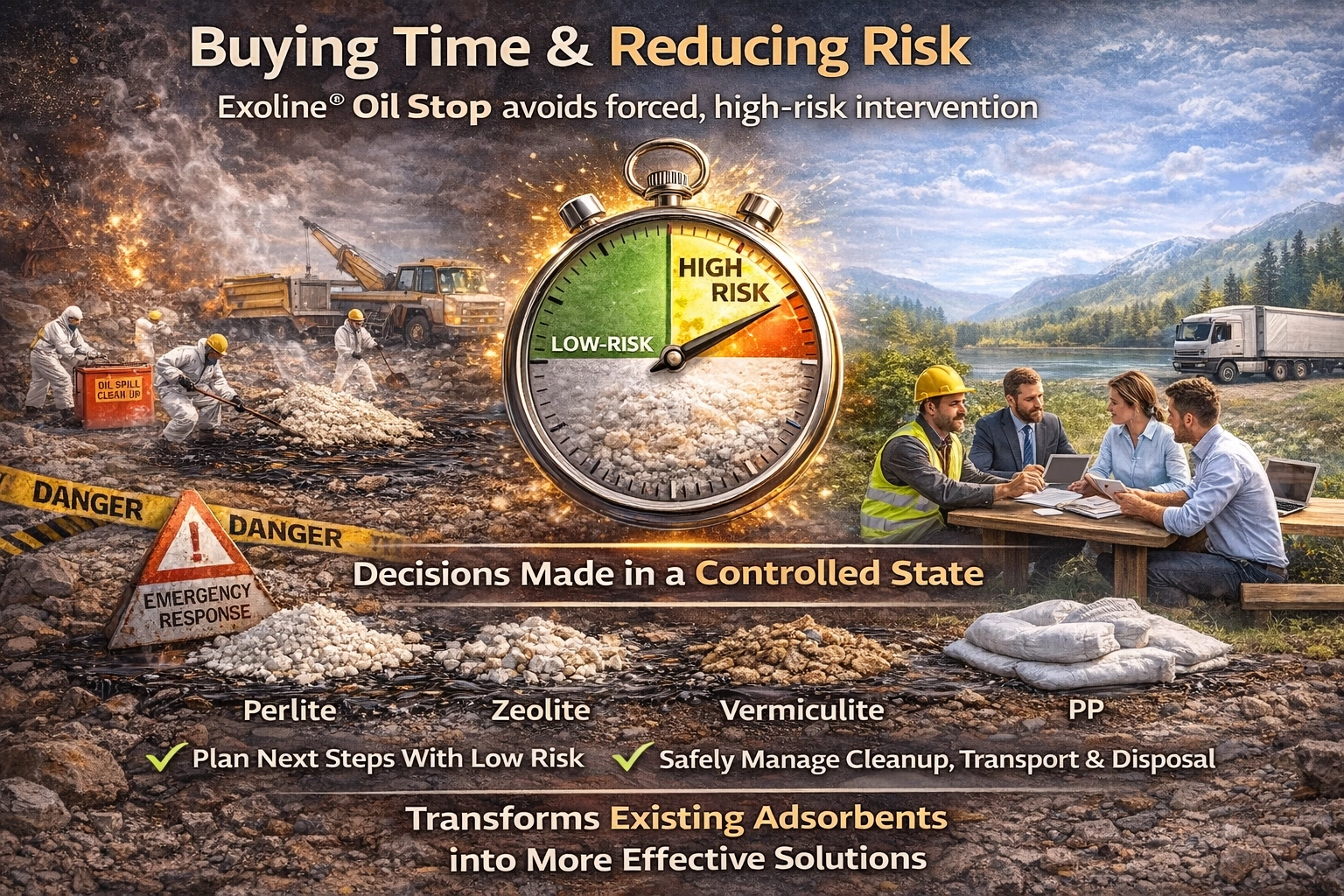
It buys time and reduces risk

Exoline® Oil Stop does not force immediate, high-risk intervention. Instead, it creates a stable and manageable condition that prevents escalation while response options are evaluated. This allows operators and authorities to act strategically rather than reactively, without time pressure or increased exposure. The stabilized state allows: Decisions to be made in a controlled environment Subsequent steps to be carried out with significantly lower risk Environmental and human health risks to be reduced to a minimum System level summary Exoline® Oil Stop is not a product, but a technological system operating in a functional sequence, which: binds → immobilizes → stabilizes → creates an environmentally safe state → enables controlled progression. This system-based approach is what distinguishes it from conventional absorbents and makes it suitable for handling complex, high-risk environmental incidents.

Final professional summary

Exoline® Oil Stop is not merely another oil absorbent it is a system-level innovation that brings the most critical initial phase of oil spill response, the first minutes and hours, under full control. Its purpose is the immediate immobilization of contamination, the radical reduction of environmental and human health risks, and the creation of valuable time and decision-making flexibility for subsequent actions all achieved in a sustainable, chemical-free manner. This approach is especially valuable for professionals operating in high-risk, real-world environments such as industrial facilities, transportation accidents, ports, and marine or land-based remediation sites. Exoline® Oil Stop integrates seamlessly into existing protocols without disrupting them on the contrary, it enhances traditional absorbents and procedures, reducing waste volumes, costs, and operational burden. The operating principle presented on this website is not a theoretical construct, but a solution tailored to real operational needs, where rapid control, system stability, and environmental protection are not optional, but essential. The next step is practical implementation illustrated through detailed case studies in a dedicated section, broken down by real environments, risk scenarios, and intervention strategies.

Discover how Exoline® Oil Stop can redefine contamination management!

Do you have a question?
We will help you!
Write to us!
Exoline LTD.
Office 5 Round House Dormans Park Road East Grinstead England RH19 2EN
+44 79 040 28 064
exoline@exoline.co.uk
07853326
GB 201958420
We remain at your disposal at any time of the day. Kindly inform us of how we may be of assistance.

FOLLOW ME
The Exoline® technologies that rewrite the global rules of sustainability!
Newsletter
Contacts
Office 5 Round House Dormans Park Road East Grinstead England RH19 2EN
+44 79 040 28 064
exoline@exoline.co.uk
07853326