
Cart
0
£0.00
Case Studies
MARINE & AQUATIC DISASTERS
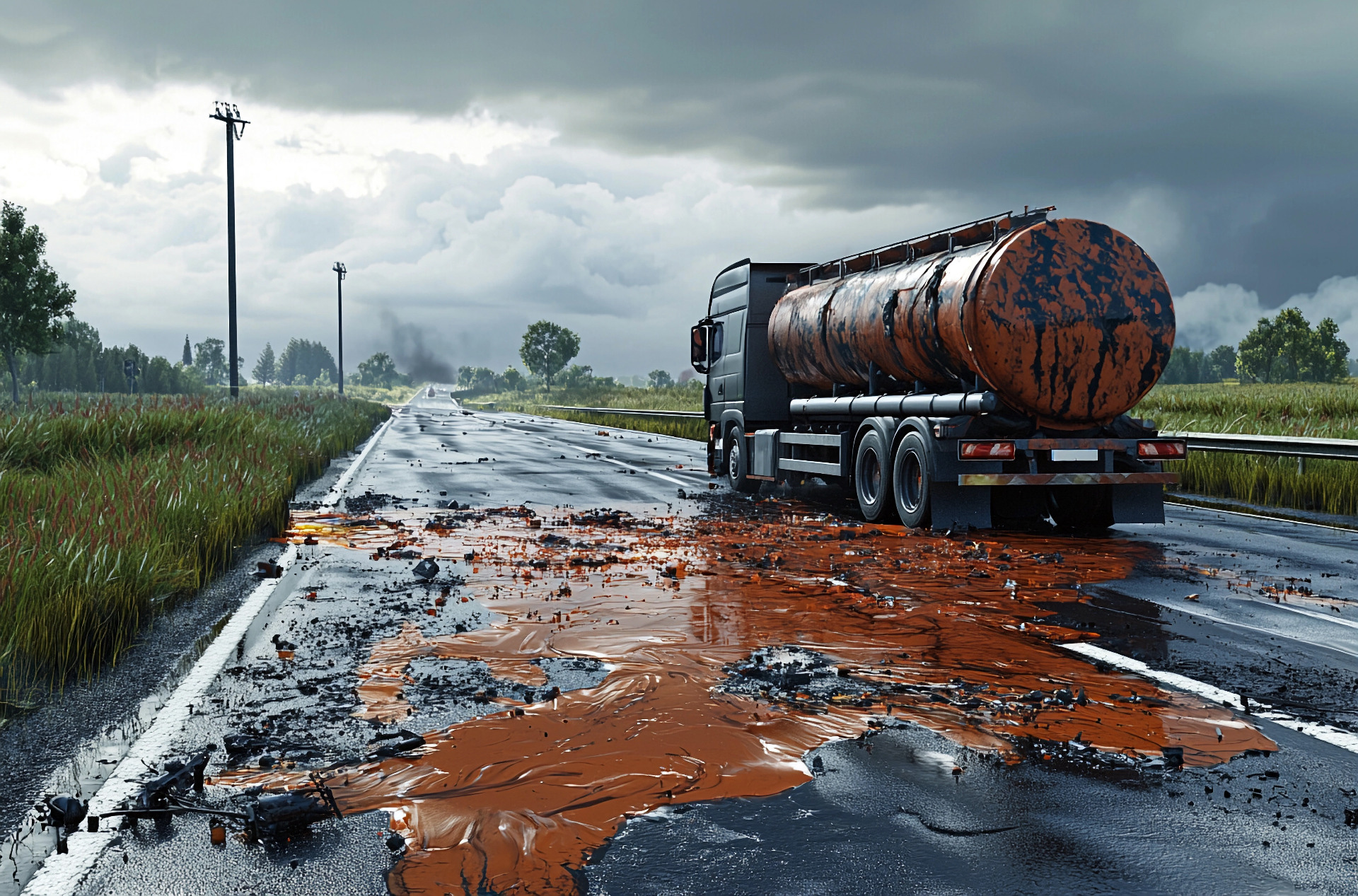
Case Studies INDUSTRIAL & LOGISTICS ACCIDENTS •Industrial Storage Tank Failure >>> Rapid immobilization of large volumes of oil on soil •Leak at a Refinery or Processing Facility >>> Protection of concrete surfaces, drainage channels, and water runoff systems •Railway Oil Transport Accident >>> Combined treatment of soil, gravel bed (ballast), and surface contamination •Road Tanker Accident >>> Rapid response in a populated area, risk mitigation •Oil Contamination in a Warehouse >>> Confined space, slip hazard, fast and clean intervention
Case Studies STORAGE, INFRASTRUCTURE & PREVENTION •Environmental Protection for Underground Fuel Tanks A bedding layer treated with Exoline® Oil Stop as a preventive protection system •Rehabilitation of an Old Tank Farm Stabilization and control of historical contamination •Improving the Efficiency of Oil Traps and Collection Sumps Preventing back-leakage and pollutant migration •Protection of Industrial Stormwater Drainage Systems Protecting drains, channels, and drainage pipes against washout and spread •On-Site Emergency Spill Response Readiness Immediate Exoline® Oil Stop intervention in case of leakage - stopping the spread
Case Studies COASTAL, TOURISM & PUBLIC AREAS •Treatment of Oil-Contaminated Beaches >>> Using an Exoline® Oil Stop “trapping layer” beneath the sand •Protection of Mangroves and Sensitive Ecosystems >>> Minimal intervention, maximum control •Oil Contamination on Waterfront Promenades and Public Spaces >>> Rapid cleanup, reduced slip hazard, environmentally responsible intervention •Oil Pollution in Lakes, Canals, and Inland Water Systems Stabilizing surface oil to protect aquatic habitats •Rapid Reopening of Tourist Zones After Contamination Events Localized treatment and rapid risk reduction to minimize downtime
Case Studiesl RECLAMATION & ENVIRONMENTAL PROTECTION •Oil Contamination at an Abandoned Industrial Site (Brownfield) In-situ stabilization and gradual remediation •Grease & Oil Load at Wastewater Treatment Plants Oil immobilization and improved treatability to protect the system •Agricultural Oil and Chemical Contamination Soil protection with localized, targeted intervention •Protection of Underground Water Resources (Reactive Zone / Barrier) Containment and controlled stabilization in critical areas •Treatment of Historical Contamination Hotspots Before Demolition Preparatory stabilization to support workplace safety and permitting
Case Studies WASTE MANAGEMENT & CIRCULAR ECONOMY MODEL •Briquetting of Oil-Contaminated Waste >>> Energy recovery and waste reduction •Complex Projects - Combined Use of Multiple Technologies >>> Exoline® Oil Stop as the connecting element within the overall system •Treatment and Stabilization of Oil-Loaded Absorbents >>> Preparation for safer storage and transportation •Reducing the Volume of Oily Sludge and Sediments Stabilization, risk reduction, improved manageability •Reducing the Share of Hazardous Waste in Projects Through targeted immobilization and controlled technological steps